
Spray Foam Insulation DFW
Open cell and closed cell spray foam for DFW attics, crawl spaces, and rim joists. Free estimates. We'll tell you if you actually need it.
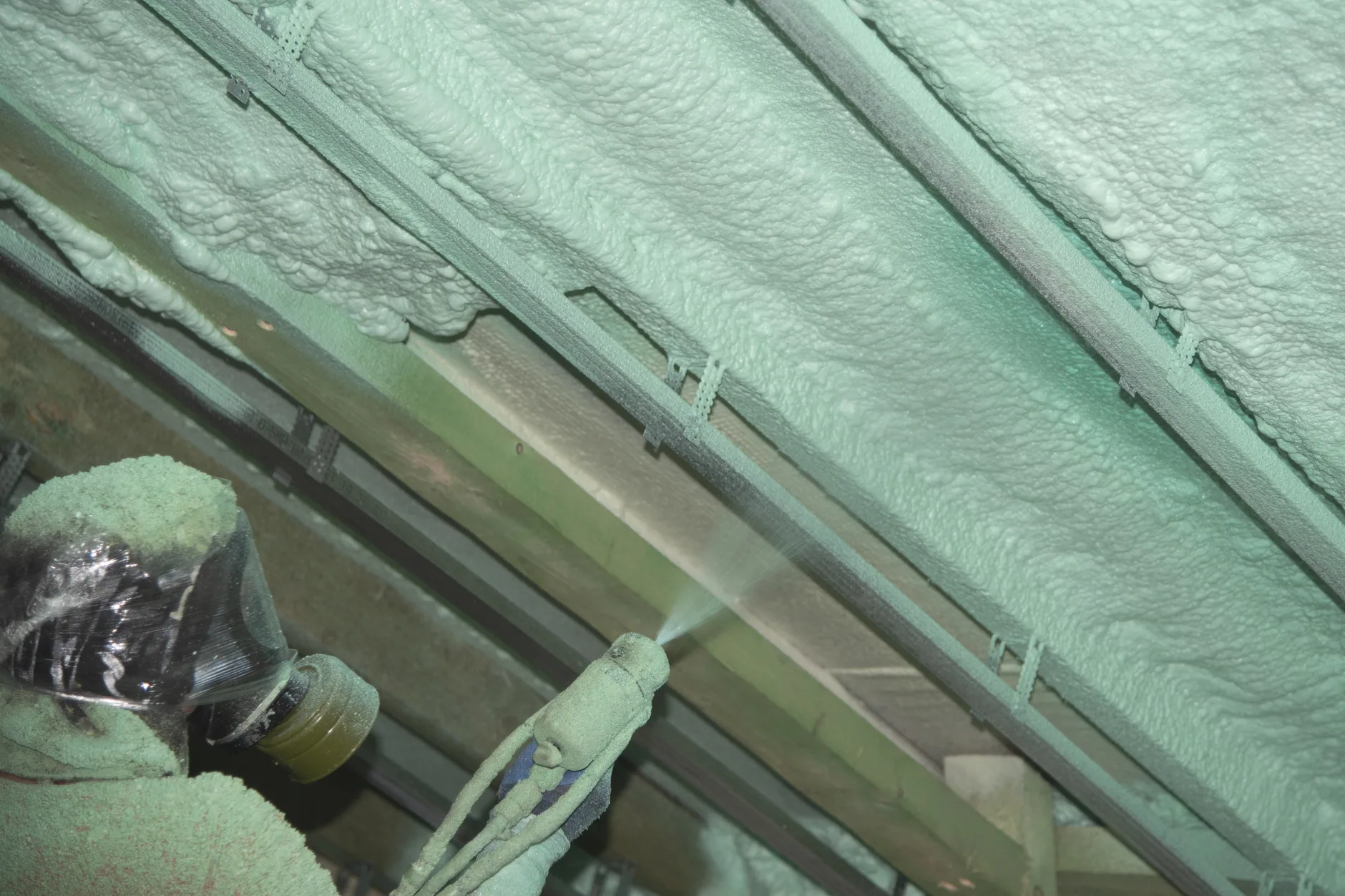
Spray foam is the Cadillac of comfort. Looks like shaving cream, works like Fort Knox. We're spray foam contractors who've installed it across DFW. But it's not the right choice for every attic.
We offer both open-cell and closed-cell spray foam. The right choice depends on what you're trying to do. Open-cell is lighter and less expensive. R-3.5 to R-4.0 per inch. It's good for attic floor applications where you want to air-seal and insulate in one step. Open-cell foam allows moisture vapor to pass through, which matters in our humid Texas climate.
Closed-cell is denser and more expensive. R-6.0 to R-6.5 per inch. It's ideal for rim joists, crawl spaces, and cathedral ceilings where you need maximum R-value in a thin space. Closed-cell also adds structural rigidity and acts as a vapor barrier.
But here's the thing: I've seen attics this year where improperly applied spray foam caused moisture problems. Not all spray foam installers get the details right. Closed-cell foam in a vented attic without proper ventilation can trap moisture. I'll tell you honestly whether spray foam is the best solution for your situation — or whether blown-in fiberglass would do the same job for less.
Our spray foam installations include proper surface preparation, temperature monitoring, and post-installation inspection to ensure correct coverage and cure.
Our promise
We'll tell you if spray foam is worth the extra cost — or if blown-in will do the same job for less.
Frequently asked questions
What's the difference between open-cell and closed-cell spray foam?
Is spray foam better than blown-in insulation?
Can spray foam cause moisture problems?
Ready for a free estimate?
(469) 895-2695Also explore: Attic Insulation · Blown-In Insulation · Radiant Barrier · Attic Ventilation · Air Sealing