DFW Attic Remodel Insulation Code Requirements
DFW code requires proper attic conversion insulation. Spray foam meets code, prevents moisture, adds conditioned space. Call Neal at DFW Attic Insulation.
What DFW Code Requires for Attic Conversion Insulation
If you are finishing your attic in DFW, the building code requires insulation at the roof deck. Not the attic floor. That is the first thing to understand. A vented attic becomes conditioned space once you remodel it. Code says you must insulate the roof assembly to meet current R-values. For DFW, that is typically R-30 to R-49 depending on the method. Spray foam is common because it provides insulation and air sealing in one step. The Department of Energy recommends insulating the roof deck for conditioned attics. That is the standard. I see many homeowners who want to keep the attic floor insulation and add drywall to the rafters. That does not meet code. You need a continuous insulation layer at the roof deck with an air barrier. Check with your local building official, but the national model codes apply here. For more on general attic insulation, see attic insulation.
The IECC 2021 Table R402.1.2 sets the prescriptive minimum for attic insulation in Climate Zone 3 (which includes DFW) at R-38, with an equivalent U-factor of U-0.030. The International Residential Code (IRC) Section R806 requires balanced attic ventilation at a 1:300 ratio minimum.
Why Attic Conversion Changes Your Insulation Strategy
A traditional vented attic relies on insulation on the floor and ventilation through soffits and ridge vents. Once you turn that space into a bedroom, office, or playroom, everything changes. You must move the thermal boundary from the attic floor to the roof deck. That means your insulation and air barrier go under the roof sheathing. DFW falls in climate zone 3, which is hot and humid. Moisture control becomes critical because warm, humid air can condense on cool roof surfaces. Spray foam creates an effective air seal and vapor barrier. Building America research confirms that unvented conditioned attics perform well with spray foam. The Building America Solution Center has technical guides on this approach. You are adding conditioned square footage without the cost of a room addition. That is a real benefit for DFW homeowners.
DFW Climatic Considerations for Attic Insulation
DFW summers are long and humid. Winters are mild but can have freezing spells. Your attic conversion insulation must handle both. Closed-cell spray foam has an R-value of R-6 to R-7 per inch. That is my one opinion in this article: I think closed-cell is the right choice for DFW. It blocks moisture and adds structural strength to the roof assembly. Open-cell spray foam has a lower R-value per inch and can absorb moisture in humid climates. The code requires a vapor retarder in climate zone 3 for conditioned attics. Closed-cell spray foam meets that requirement by itself. Fiberglass batts would need a separate vapor barrier and perfect air sealing. Most DIY installations fail on the air sealing. That leads to mold and rot. The Energy Star attic insulation guide explains the importance of air sealing in conditioned spaces.
Spray Foam vs Other Insulation Options
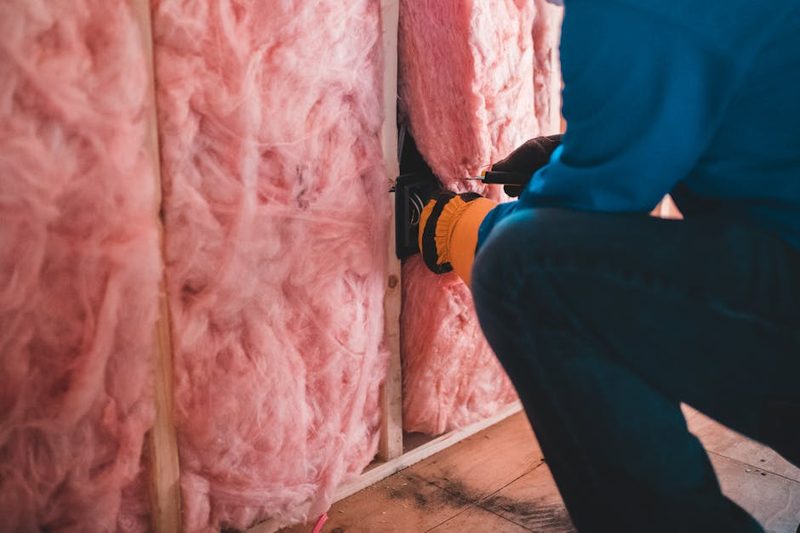
When you compare spray foam to fiberglass batts or blown-in insulation for a roof deck, the differences are clear. Fiberglass relies on the batting being in full contact with the roof deck and having no gaps. You also need a Class I or II vapor retarder on the warm side. That is tricky to install correctly in an attic. Many homeowners end up with moisture trapped between the batting and the deck. Spray foam eliminates that risk. It adheres directly to the sheathing and forms an airtight seal. The cost is higher upfront, but you get a simpler assembly that meets code with fewer failure points. I have seen too many attics with fiberglass that looked fine from below but had hidden mold. Do not install fiberglass batts on a roof deck unless you are absolutely certain of your vapor barrier and air sealing. For DFW, I recommend spray foam. See spray foam insulation for more details.
How to Meet DFW Code with Spray Foam
To meet DFW code for an attic conversion with spray foam, follow these basics. First, the roof deck must be insulated continuously. Closed-cell spray foam at 5 to 6 inches thickness typically provides R-30 to R-42. That satisfies most local requirements. Second, ensure the foam seals all gaps at the ridge, eaves, and around penetrations like vents or chimneys. Third, you may need a thermal barrier like drywall over the foam for fire safety. Check with your building department. Fourth, verify that the attic has proper ventilation if you are leaving any part vented, but for a conditioned attic, you seal it all. The result is a comfortable, energy-efficient room that adds value to your home. Adding conditioned square footage this way costs less than building an addition. I help homeowners with this process at DFW Attic Insulation.
When You Should Not Insulate Your Attic Remodel Yourself
I do not recommend DIY insulation for a conditioned attic conversion in DFW. The code requirements are specific. The risk of moisture damage is high. One mistake in air sealing or vapor barrier placement can lead to mold, rot, and expensive repairs. Spray foam application requires specialized equipment and training. A professional contractor knows how to achieve the correct thickness, density, and adhesion. They also understand local code amendments. If you are tempted to save money by installing fiberglass batts yourself, think again. The savings are not worth the risk. Call someone who does this work every day. I am always ready to provide a consultation. When not to buy: If you are considering blown-in cellulose on the roof deck, do not. That product is for attics, not for roof deck insulation in conditioned spaces. Stick with spray foam for this application.
Call Neal for DFW Attic Remodel Insulation
You have the facts about DFW code requirements for attic conversion insulation. The key takeaway is simple: insulate the roof deck, use spray foam, and do not cut corners. I handle attic remodels across the DFW area. I help homeowners meet code, avoid moisture problems, and add comfortable living space. My name is Neal, and I run DFW Attic Insulation. I am involved in every estimate. Give me a call to discuss your project. I will tell you honestly what you need and what you do not. Ready to finish your attic the right way? Call (469) 895-2695.
For comparison, HomeAdvisor reports the national average attic insulation cost at $2,100, with most homeowners paying between $1,700 and $2,500. Angi data shows DFW pricing runs $1 to $3 per square foot for standard blown-in installation, while spray foam ranges from $2 to $5 per square foot. Bob Vila's 2026 cost guide puts the national average at $2,500 for a typical attic project. These aggregator figures include contractor markups and lead-generation fees, which is why direct quotes from local specialists often run lower.
Frequently Asked Questions
Does DFW code require spray foam insulation for attic conversions?
What R-value does DFW code require for attic conversions?
Can I insulate the attic floor instead of the roof deck for a finished attic?
Is closed-cell or open-cell spray foam better for DFW attic conversions?
How does spray foam prevent moisture in DFW attics?
What is the cost of spray foam for an attic conversion in DFW?
Ready to finish your attic the right way? Call Neal at (469) 895-2695 for a consultation. I will help you meet code and avoid moisture problems. If you want a straight answer on your attic, call me at (469) 895-2695. I'll inspect it with a thermal camera, tell you exactly what you need, and give you a written quote. No upsell. No pressure.
P.S. Every attic is different. The numbers above are ballpark estimates based on DFW averages. Call us at (469) 895-2695 and we'll come take a look with a thermal camera, give you a written quote, and tell you honestly if you even need anything. No upsell. No pressure.
Get a free estimate
Fill out the form and we'll get back to you within 24 hours. No pressure, no upsells.
Neal runs DFW Attic Insulation, a local crew serving the entire Dallas-Fort Worth metroplex. He started in roofing and construction over two decades ago and now specializes in attic insulation, air sealing, and ventilation. He believes in honest advice — he'll tell you if you don't need anything.