Can Attic Insulation Fail a Home Inspection? Fix It First
Will attic insulation fail a home inspection in DFW? I'll show you the three most common reasons inspectors flag attics and how to fix them. Call (469) 895-2695.
Yes, Bad Attic Insulation Can Kill a Sale
I'm Neal. I run DFW Attic Insulation. A home inspector flags attic insulation more often than you'd think. In DFW, it's one of the top five callouts in any pre-listing inspection. The problem is simple. Insulation settles. Ventilation gets blocked. Air leaks develop. All three are visible to a trained inspector. All three show up on the report.
Once it's on paper, the buyer has leverage. They'll ask for a credit or a repair. That slows down closing. In a hot market, that's the last thing you want. According to Energy.gov, proper attic insulation can improve energy efficiency by up to 15%. An inspector knows that number. They'll note anything below standard.
Attic insulation that fails inspection is a fixable problem. The key is knowing what they're looking for before they walk in. The IECC 2021 Table R402.1.2 sets the prescriptive minimum for attic insulation in Climate Zone 3 (which includes DFW) at R-38, with an equivalent U-factor of U-0.030. The International Residential Code (IRC) Section R806 requires balanced attic ventilation at a 1:300 ratio minimum.
Minimum R-38: The DFW Line in the Sand
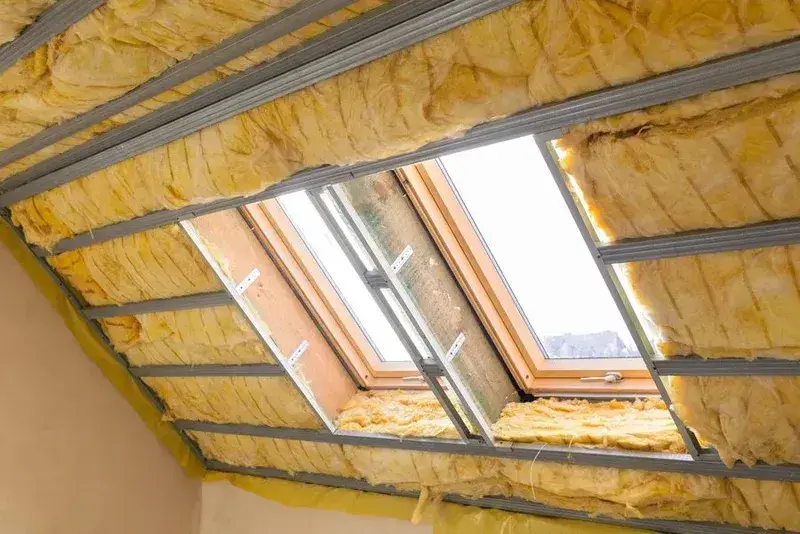
DFW home inspectors use a standard minimum. R-38 for attic insulation. That's about 12 to 15 inches of fiberglass or cellulose, depending on density. Most homes built before 2000 have less than R-30. Some have R-19 or lower. If your attic has less than R-38, the inspector will flag it.
The Department of Energy recommends R-38 to R-60 for our climate zone. Zone 3 covers Dallas-Fort Worth. Anything under R-38 is under-insulated.
I see this every week. Homeowners think their attic looks fine. They don't know the insulation has settled from R-30 to R-22 over twenty years. Before you list, measure the depth. If it's below 12 inches, plan to add insulation. That's the #1 reason attic insulation fails a home inspection.
Ventilation: The 1:300 Rule Catches Most Homeowners
Home inspectors check attic ventilation. The standard is 1 square foot of ventilation for every 300 square feet of attic floor. That's the 1:300 ratio. In DFW, two problems show up constantly. Blocked soffit vents and missing ridge vents.
Soffit vents get buried under insulation. A homeowner blows in new loose-fill and covers the intake. The attic can't breathe. Moisture builds up. In summer, heat spikes. Ridge vents get painted over or installed incorrectly. I've seen ridge vents caulked shut. I've seen them covered with shingles the roofer didn't cut out.
An inspector will catch both. They'll note inadequate ventilation on the report. That triggers a repair request. Make sure your soffit vents are clear. Check that ridge vents are open. This is a cheap fix that saves you a negotiation point later.
Air Leaks Are Invisible Until the Inspection
An inspector uses a thermal camera in many cases. That camera sees air leaks. Warm air escaping in winter. Hot air infiltrating in summer. Common air leaks in DFW attics: around attic access hatches, recessed lights, plumbing vents, and top plates of interior walls.
These leaks create pressure differences. They make the HVAC system work harder. The inspector will note energy loss and call for sealing. Energy Star recommends air sealing before adding insulation. Most homeowners skip this step. Then the inspector flags the unfinished work.
If you have old insulation and no air sealing, expect a callout. Sealing takes a day for most homes. It's not expensive, and it removes a common inspection failure. Don't just blow in new insulation. Seal the leaks first. That's how you pass inspection without a comment.
Moisture, Mold, and Old Insulation: A Dealbreaker Trio
Home inspectors look for signs of moisture in the attic. Stained insulation. Mold on roof decking. Rusted nails. DFW has high humidity. Attics that don't ventilate properly trap moisture. Old fiberglass insulation soaks it up like a sponge.
Once insulation is wet, it loses R-value. It can also grow mold. An inspector will flag both. If the insulation is over 20 years old and shows staining, I recommend replacement. Not adding. Replacing.
Blowing new insulation on top of wet, dirty fiberglass doesn't fix the problem. The moisture stays. The mold stays. The inspector sees it all. New blown-in insulation with proper ventilation fixes the issue. It also gives the buyer confidence that the home is well-maintained.
When NOT to Add Insulation Before Listing
Here's the honest answer. Don't add insulation if your attic already meets R-38 and has good ventilation and no air leaks. Some homeowners want to add more thinking it will increase value. It won't. The inspector will see R-38 and sign off. More insulation doesn't add points.
Also skip adding if you have active leaks or mold. Fix the roof leak first. Remediate the mold. Then consider insulation. Adding insulation over a wet attic is a waste of money. The insulation will fail within months. The buyer's inspection will catch it.
I tell homeowners this all the time. Fix the underlying problem first. Then decide on insulation. If you're unsure, call for an attic inspection. I walk attics every week for sellers. I'll tell you what needs fixing and what doesn't.
Frequently Asked Questions
How much does it cost to fix attic insulation before selling in DFW?
Will a buyer's lender require attic insulation to be fixed?
Can I add insulation myself to pass inspection?
What R-value does DFW require for home inspections?
Does radiant barrier help pass inspection?
How long does attic insulation repair take before listing?
Need to pass a pre-listing attic inspection? Call me at (469) 895-2695. I'll walk your attic, tell you what fixes matter, and give you a straight quote. No pressure, no marketing. Just attic advice from someone who's been in them for years.
Get a free estimate
Fill out the form and we'll get back to you within 24 hours. No pressure, no upsells.
Neal runs DFW Attic Insulation, a local crew serving the entire Dallas-Fort Worth metroplex. He started in roofing and construction over two decades ago and now specializes in attic insulation, air sealing, and ventilation. He believes in honest advice — he'll tell you if you don't need anything.