Radiant Barrier for Attics in Addison, TX Multi-Family Homes
Why Addison Multi-Family Homes Need a Radiant Barrier
Addison hits 96 degrees in summer. Your attic takes the brunt of that heat. In multi-family buildings like townhomes and duplexes, the attic space is often tight and poorly vented. Without a radiant barrier, that heat radiates down through the insulation and into your living space. Your AC runs longer to keep up.
Most homes in Addison were built in the mid-90s. That means the original insulation has settled and lost some R-value. Even if the insulation is fine, radiant heat transfer happens regardless. The Department of Energy says a radiant barrier can reduce cooling costs by 5-10% in hot climates. That matters when Addison's average electric rate sits around 13.5 cents per kWh.
Multi-family homes have shared walls and common attics. That means heat from one unit can bleed into another. A radiant barrier installed on the underside of the roof deck reflects heat back outside before it ever reaches the insulation. It's a simple fix that pays for itself over a few summers. I've seen it work in countless attics across DFW.
How a Radiant Barrier Works in Addison Texas Attics
Radiant barriers are reflective sheets, usually aluminum foil laminated to kraft paper or a woven fabric. You staple them to the underside of your roof rafters. They face the attic interior. The shiny surface reflects radiant heat instead of absorbing it.
In a standard attic, the roof deck gets hot from the sun. That heat radiates downward like a campfire. It heats up the insulation, the ductwork, and everything else. A radiant barrier stops that. It bounces the heat back toward the roof, where it escapes through the ventilation.
According to Energy Star, a radiant barrier works best when the attic has adequate ventilation. That's key for Addison homes. Many multi-family attics in this area have ridge vents or soffit vents. If they're blocked by old insulation, heat gets trapped. A radiant barrier won't work as well without good airflow. That's why I always check the vents first. If the attic isn't breathing right, we fix that before installing anything.
This system is different from adding more insulation. More insulation slows conductive heat transfer — heat passing through a solid material. A radiant barrier stops radiative heat transfer — heat traveling through the air. In Texas, both matter.
Radiant Barrier vs Attic Insulation in Addison
Some folks think a radiant barrier replaces insulation. It doesn't. Think of them as a team. Insulation slows heat movement through the ceiling. A radiant barrier slows heat entering the attic in the first place.
See our attic insulation service page for more on what fiberglass and cellulose do. But here's the short version: insulation has an R-value. That measures resistance to conductive heat flow. A radiant barrier has no R-value. It has reflectivity. The standard is 95% or higher.
In a multi-family home in Addison, you want both. The DOE recommends R-30 to R-60 for attics in this climate zone. Most mid-90s homes in Addison came with R-19 or R-30 at best. That's low. Adding a radiant barrier on top of insufficient insulation helps, but it's not a substitute for proper R-value.
I tell customers this: get the insulation right first. Then add the radiant barrier for extra performance. If your budget is tight, start with the barrier. It's cheaper than redoing all the insulation, and you'll feel the difference immediately on the hottest days. You can always add more insulation later.
Installing Radiant Barriers in Addison Multi-Family Attics
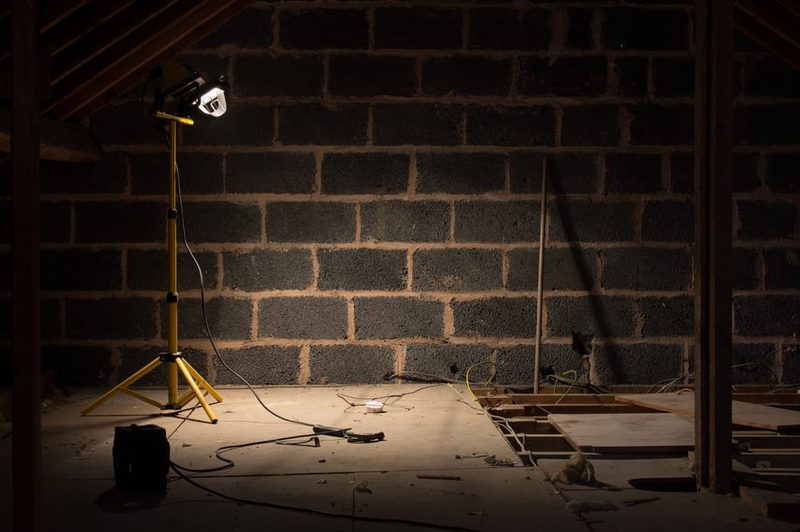
Multi-family attics pose unique challenges. Access is often through a drop-down ladder in a garage or hallway. The space is usually divided by firewalls between units. That means we have to work in each section separately.
Before we install, we check for air leaks. Gaps around pipes, vents, and light fixtures let conditioned air escape and hot attic air seep down. We seal those with caulk or foam. Our air sealing service is a common add-on for this reason.
Then we measure the rafters. The radiant barrier comes in rolls. We cut it to fit between the rafters and staple it in place. We leave a 1-inch air gap between the barrier and the roof deck. That air gap is critical — it allows heat to escape up through the ventilation.
In Addison townhomes at Vitruvian Park or Addison Circle, we often see truss roofs with complex angles. That takes more time but works the same way. The barrier needs to cover every sloped roof section. Flat ceilings don't need it. Only the sloped underside of the roof deck matters.
Safety first. We wear respirators, gloves, and knee pads. Attics in summer are brutal. We work in the cooler morning hours when possible. The whole job for a 1,500-square-foot attic usually takes a few hours for a two-person crew.
Choosing the Right Radiant Barrier Contractor in Addison
Not every insulation company does radiant barriers right. Some staple it too tight against the roof deck. That eliminates the air gap and cuts performance by half. Others use cheap materials that tear easily or lose reflectivity over time.
Look for a contractor who uses products with a reflectivity rating of 95% or higher. The material should be tear-resistant and have a Class A fire rating. Ask if they check ventilation first. Ask if they seal air leaks before installing.
Another thing: proper radiant barriers require a vapor retarder in humid climates. Texas is humid in summer. The barrier itself acts as a vapor retarder in most cases, but I always check for moisture issues before installing. If there's existing mold or rot, that needs addressing first.
Contact us for a free estimate. We'll come out to your Addison multi-family property, inspect the attic, and give you the straight talk. No pressure. Just honest advice. Call (469) 895-2695.
** ** ** ** **
Will a radiant barrier lower my electric bill in Addison?
Do I need insulation under a radiant barrier?
How long does a radiant barrier last in an Addison attic?
Can I install a radiant barrier myself in my Addison townhome?
Does a radiant barrier work with existing fiberglass insulation?
Get a free estimate for attic insulation in Addison
Fill out the form and we'll get back to you within 24 hours. No pressure, no upsells.
Also serving: Attic insulation service details · Attic insulation cost guide · Contact us
Nearby cities: Addison · DeSoto · DeSoto · DeSoto · Farmers Branch · All DFW locations
Last updated: 2026-05-29