North Richland Hills Attic Insulation Upgrade After Home Inspection
Why North Richland Hills Homes Need Attic Insulation Upgrades
If you're buying or selling a home in North Richland Hills, the attic inspection can be a deal-breaker. Most homes here were built around 1989, making them about 37 years old. That means the original insulation is likely old, settled, or damaged. A home inspector will check for problems like compressed fiberglass batts or blown-in insulation that has lost its R-value. In many cases, the R-value has dropped to as low as R-11, which is far below today's recommended R-38 or R-49 for North Texas.
Older insulation also attracts pests. Rodents love attics for nesting, and their droppings can contaminate the material. An inspector will flag any signs of animal activity. If you're selling, fixing this before listing can save you negotiation headaches. If you're buying, knowing what's in the attic helps you plan for upgrades.
The bottom line: North Richland Hills homes from the 1980s and earlier almost always need better insulation. It's not a matter of if, but when.
Common Home Inspection Findings in North Richland Hills Attics
Home inspectors in North Richland Hills see the same patterns over and over. First, inadequate ventilation. Soffit vents get blocked by loose insulation, trapping heat and moisture in the attic. This can lead to mold growth on the roof decking. Second, gaps around ductwork and plumbing penetrations. Those holes let conditioned air escape into the attic and pull hot attic air into the living space.
Third, the insulation itself is often thin or uneven. Original batts may be compressed from years of storage or foot traffic. Blown-in fiberglass can settle and lose its fluffy shape. An inspector will measure the depth and compare it to current code. Anything under R-30 is a red flag.
Fourth, moisture problems. Leaky roofs or bathroom fans that vent directly into the attic create damp conditions. Mold can spread quickly in a hot, humid attic. An inspector will use a moisture meter to check for hidden damp spots. Energy.gov recommends sealing air leaks before adding new insulation, because air movement carries moisture.
These findings don't mean the house is junk. They mean the attic needs attention. A good contractor can fix all these issues in a day or two.
How Poor Attic Insulation Affects Your Energy Bills and Comfort
Summers in North Richland Hills average 95°F. An under-insulated attic can hit 140 degrees on a hot July afternoon. That heat pushes down through the ceiling, making your air conditioner work harder. The U.S. Department of Energy says proper insulation can lower cooling costs by 15%. For a home with summer bills over $250, that's real savings.
In winter, the same principle works in reverse. Heat rises, so without good attic insulation, your furnace runs more often. Your home feels drafty. You crank up the thermostat. The bills climb.
But comfort goes beyond money. Poor insulation means some rooms stay warmer than others. The master bedroom might be fine while the kids' rooms feel stuffy. The attic's temperature affects the whole house. Adding the right insulation makes temperatures more consistent from room to room.
The local electric rate is around 12.5 cents per kWh. That's average for Texas, but every degree you lose to the attic adds to your bill. Upgrading to R-49 blown-in insulation can cut that loss significantly. It's one of the most cost-effective home improvements you can make.
Solutions: Air Sealing and Insulation Replacement
After the inspection, the fix is straightforward. First, we air-seal the attic. That means sealing gaps around pipes, wires, ductwork, and the top plates of walls. We use metal flashing and fire-rated caulk for larger holes, and spray foam for smaller cracks. This step is crucial. Without it, new insulation won't work as well because conditioned air will still leak out.
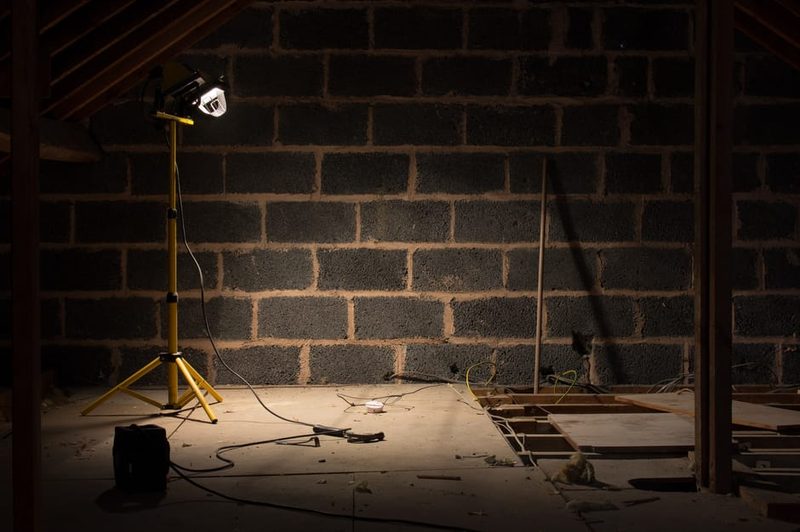
Next, we remove the old insulation if it's contaminated or compressed. In many North Richland Hills homes, the original batts are dirty, rodent-chewed, or full of droppings. We vacuum it out and dispose of it properly. Then we blow in new fiberglass or cellulose insulation to the recommended R-49 depth (about 16-18 inches).
We also check the soffit vents to make sure they're clear. Baffles are installed to keep insulation from blocking airflow. Proper ventilation extends the life of your roof and prevents moisture buildup.
The whole process takes a day for a typical 2,000-square-foot home. The crew works from the attic, so there's minimal disruption inside your house. You can go about your day while we work above you.
Some homeowners ask about radiant barriers. In our hot climate, a reflective foil layer can help block radiant heat, but it's not a substitute for good insulation. If your inspector recommends both, we can add a radiant barrier on top of the new insulation.
Choosing the Right Attic Insulation Contractor in North Richland Hills
There are several insulation companies serving North Richland Hills, including Attic Insulation Plus and Green Attics. But not all contractors are the same. Some will just blow in new insulation over the old stuff without addressing air leaks or ventilation. That's a shortcut, and it won't solve your problems.
When you're looking for a contractor, ask these questions: Do you air-seal before installing insulation? Do you inspect and clear soffit vents? Do you remove old contaminated insulation? A good contractor will say yes to all three.
Also check that the contractor is licensed and insured in Texas. Ask for references or read reviews from other North Richland Hills homeowners. You want someone who knows the local housing stock—homes built in the 1980s have different attic layouts than newer ones.
I've been doing attic work in DFW for years. I've seen the good, the bad, and the ugly. The best contractors are the ones who take the time to do it right the first time. They don't rush. They clean up after themselves. They explain what they found and what they're doing.
Get a free estimate from a few companies. Compare the scope of work, not just the price. A slightly higher cost for air sealing and proper removal is worth it in the long run.
What to Expect During and After the Attic Upgrade
After you decide to move forward, the process is simple. We schedule a time that works for you. The crew arrives with all the equipment and materials. They set up a containment area to minimize dust entering your home. Then they go to work.
First, they vacuum out the old insulation if needed. This takes a couple of hours. They air-seal all penetrations. They install baffles at the soffits. Then they blow in the new insulation to the correct depth. The final step is a walkthrough to make sure everything looks right.
Your attic will look clean and uniform. The temperature difference will be noticeable within days. Your HVAC system will run less often. You'll see lower energy bills starting the next month.
If you're selling a home, a new insulation upgrade is a strong selling point. You can mention it in the listing. Buyers like knowing the attic is done right. It's one less thing to worry about.
If you're buying, having the inspector's report in hand means you can negotiate repairs or credits. Many sellers will cover the cost of attic insulation upgrades because it's a relatively small investment that adds value and comfort.
** ** ** ** ** **
How much does attic insulation cost in North Richland Hills?
Do I need to remove old insulation before adding new?
Will attic insulation upgrades help with summer cooling bills?
How long does attic insulation installation take?
What R-value do I need in North Richland Hills?
Can a home inspector miss attic insulation problems?
Get a free estimate for attic insulation in North Richland Hills
Fill out the form and we'll get back to you within 24 hours. No pressure, no upsells.
Also serving: Attic insulation service details · Attic insulation cost guide · Contact us
Nearby cities: Addison · DeSoto · DeSoto · DeSoto · Farmers Branch · All DFW locations
Last updated: 2026-05-29