Does Attic Ventilation Extend Roof Life? Here's the Truth
Yes, attic ventilation extends roof life. It prevents heat buildup and moisture damage. In DFW, poor ventilation can void roof warranties. Here's what you need to know.
Yes, Attic Ventilation Extends Roof Life
My name is Neal. I run DFW Attic Insulation. The short answer is yes. Attic ventilation directly affects how long your roof lasts. Heat and moisture are the two biggest enemies of roofing materials. Without proper airflow, your roof deck cooks and rots. That leads to shingle failure, leaks, and premature replacement. The Department of Energy explains that proper ventilation reduces attic temperatures and moisture buildup. That is not a theory. It is physics.
The IECC 2021 and IRC Section R806 require attic ventilation at a minimum 1:300 ratio of net free ventilating area to attic floor space when a Class II vapor retarder is installed. Without a vapor barrier, the ratio tightens to 1:150. DFW falls under Climate Zone 3, where the IECC also mandates air leakage testing at 5 ACH50 for new construction.
How Heat and Moisture Damage Your Roof
A hot attic transfers heat to the roof deck. Shingles soften and degrade faster. Asphalt shingles are rated for certain temperatures. When your attic hits 140 degrees Fahrenheit, the underside of the roof can exceed 160 degrees. That heat cooks the shingles from below. The result is curling, granule loss, and a shorter lifespan. Moisture is equally destructive. Bathroom fans, dryers, and cooking all dump humid air into the attic. Without ventilation, that moisture condenses on the roof deck. Wood rots. Mold grows. Felt underlayment deteriorates. ENERGY STAR notes that insulation and ventilation work together to improve energy efficiency and protect the roof. One without the other is a half measure.
The DFW Reality: 140°F Attics and Voided Warranties
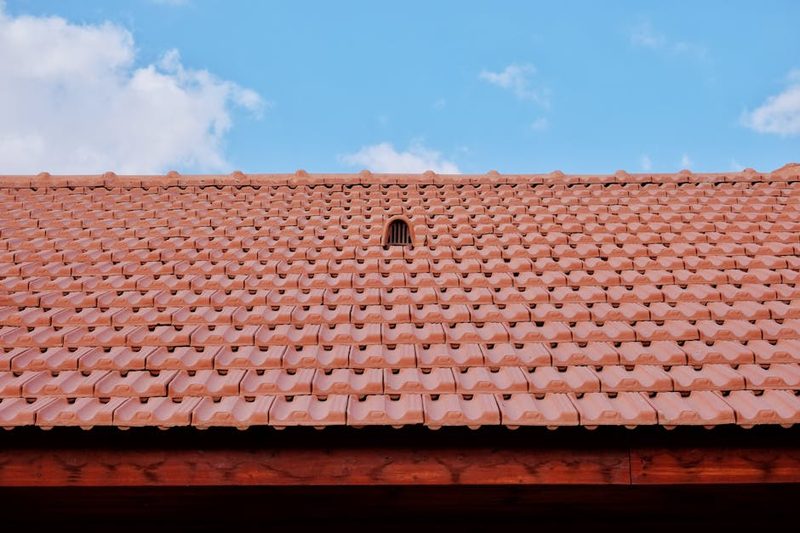
DFW summers are brutal. Attics here routinely reach 140 degrees Fahrenheit. Most homes I inspect have insufficient soffit venting, blocked ridge vents, or no intake at all. That is a problem. Many roofing material warranties require proper attic ventilation. If you install a new roof without addressing ventilation, you risk voiding that warranty. I have seen homeowners file claims for premature shingle failure only to be denied because the attic was not vented to code. The EPA states that attic ventilation also affects indoor air quality. But for roof life, it is non-negotiable. If you are planning a roof replacement, attic ventilation must be part of the project.
How Ventilation and Insulation Work Together
Ventilation removes heat and moisture. Insulation keeps heat from entering the living space. They are a team. The Ontario Building Code requires R-50 attic insulation when reroofing for a reason. That combination stops heat transfer and keeps the roof deck cool. ENERGY STAR says that proper insulation and ventilation can save 10 to 20 percent on energy bills. But here is the catch: ventilation only works if you have enough insulation to stop heat from escaping into the attic. If your attic is poorly insulated, the ventilation system pulls conditioned air out of your home. You lose efficiency. I recommend attic insulation and ventilation upgrades together for the best results.
Signs Your Attic Has Poor Ventilation
Look for these signs. Ice dams are not a DFW issue, but we have other indicators. Ridge vents that are painted over or blocked by debris. Soffit vents that are covered by insulation. A hot ceiling in summer. Higher than expected cooling bills. Shingle edges that curl upward. Dark streaks on the roof from algae. Moisture stains on the roof deck. Musty smells in the attic. If you see any of these, your attic likely has a ventilation problem. I can check your attic ventilation during a free inspection. The fix is often simpler than you think. Adding intake vents or clearing blocked soffits can make a dramatic difference.
When You Should NOT Add More Ventilation
More is not always better. Some homes already have balanced intake and exhaust. Adding extra vents can disrupt the airflow path. It can create negative pressure that pulls air from the living space. That wastes energy and can cause moisture problems. If your attic is properly ventilated to code, leave it alone. I also recommend against adding ventilation when the roof is near the end of its life. Sealing around new vents can damage brittle shingles. Wait until you replace the roof. Then install a complete ventilation system at the same time. That is the most cost-effective approach. If you are unsure, schedule an inspection. I will tell you if you need it or not.
Pairing Ventilation with a Roof Replacement
If you are planning a roof replacement, now is the time to fix ventilation. A new roof will last its full lifespan only if the attic is properly ventilated. I see many homeowners pay for a premium roof only to have it fail early because the attic was still cooking. Work with a roofer who understands attic science. Ask them to install continuous ridge vent and matching soffit vent. The rule of thumb is one square foot of net free vent area per 300 square feet of attic floor. For DFW, I recommend the 1:150 ratio because of our heat. After the roof is done, I can seal air leaks and add attic insulation to maximize performance. That combination extends roof life by years.
Final Thoughts: Call Me Before You Replace Your Roof
A new roof is a big investment. Do not let poor ventilation cut its life short. I have seen 25-year shingles fail in 10 years because the attic was not vented. That is a waste of money. Call me first. I will inspect your attic, measure the existing ventilation, and tell you exactly what is needed. If you already have good ventilation, I will say so. If you need upgrades, I will give you a straightforward plan. The cost of ventilation is small compared to a premature roof replacement. Call (469) 895-2695 to schedule a free attic inspection. I will tell you the truth about your roof and attic.
HomeAdvisor shows soffit vent installation averages $200 to $600, while ridge vent installation during a reroof runs $300 to $800 according to Angi.
Frequently Asked Questions
Does attic ventilation really extend roof life?
How much attic ventilation do I need in DFW?
Can too much attic ventilation harm my roof?
Should I add ventilation before or after a new roof?
Does attic insulation affect ventilation?
How do I know if my attic ventilation is working?
Call (469) 895-2695 to schedule your free attic inspection. I will tell you exactly what your attic needs to protect your roof and your home.
Get a free estimate
Fill out the form and we'll get back to you within 24 hours. No pressure, no upsells.
Neal runs DFW Attic Insulation, a local crew serving the entire Dallas-Fort Worth metroplex. He started in roofing and construction over two decades ago and now specializes in attic insulation, air sealing, and ventilation. He believes in honest advice — he'll tell you if you don't need anything.