Attic Ventilation Fixes Before Selling Your DFW Home
DFW home inspectors check attic ventilation. Blocked soffit vents, missing ridge vents, and poor insulation hurt your sale. Fix these issues first for a smoother closing.
Your Attic Ventilation Will Be Inspected Before You Sell
My name is Neal. I run DFW Attic Insulation. If you are listing your DFW home, expect a thorough attic inspection. Home inspectors check ventilation, insulation depth, and air leaks. They know the local climate. They look for specific problems that kill a deal. I have seen hundreds of sellers scramble to fix issues after the inspection report comes back. That costs time and money. The smarter move is to inspect your attic before you list. You fix things on your terms. You avoid last-minute negotiations. A pre-listing attic check can save you 2–3 percent on the final sale price. That is a fact from real estate data. Start with the ventilation. It is the most common flag in DFW homes.
The IECC 2021 and IRC Section R806 require attic ventilation at a minimum 1:300 ratio of net free ventilating area to attic floor space when a Class II vapor retarder is installed. Without a vapor barrier, the ratio tightens to 1:150. DFW falls under Climate Zone 3, where the IECC also mandates air leakage testing at 5 ACH50 for new construction.
Why DFW Home Inspectors Focus on Attic Ventilation
DFW summers push attics past 140 degrees. Proper ventilation removes that heat. The standard is one square foot of net free vent area for every 300 square feet of attic floor space. That is the 1:300 ratio. Home inspectors know this. They measure your soffit vents, ridge vents, and gable vents. They check for balance. Intake and exhaust must be equal. If not, you get moisture buildup in winter and heat damage in summer. I see many homes with plenty of vent area but no airflow because soffits are blocked. The Department of Energy recommends proper attic ventilation to prevent ice dams and extend roof life. In DFW, ice dams are rare, but moisture and heat are real problems. A failed ventilation inspection can delay closing or force a credit.
Blocked Soffit Vents Are the Most Common Problem
Blocked soffit vents cause more failed home inspections than any other attic issue. Builders install soffit vents to pull cool air into the attic. Then blown insulation covers them. I see this every week. A homeowner added insulation years ago and the installer did not install baffles. Now the vents are buried. The attic cannot breathe. Home inspectors walk into the attic and see a pile of fiberglass covering the eaves. They flag it immediately. The fix is simple: install rafter baffles and clear the insulation away from the vents. I recommend doing this before you list. A buyer’s inspector will find it. If you wait, you will be negotiating a repair credit or a price reduction. Energy Star has guidelines on attic air sealing and ventilation that apply here. Fix the blockage. Then your ventilation works.
Missing Ridge Vents Kill Airflow Exhaust
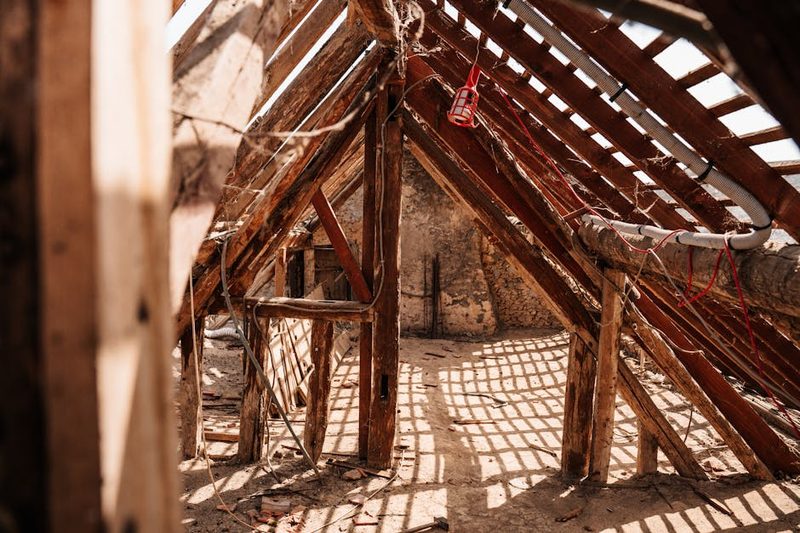
Ridge vents are the exhaust point for your attic. They run along the peak of your roof. Hot air rises and exits through them. Many DFW homes have ridge vents that do not work because they were installed incorrectly or covered by shingles. Sometimes the builder never installed them at all. Home inspectors check for ridge vent presence and clearance. They look for signs of air movement. If your attic has only soffit vents and no ridge vents, you have no exhaust. The attic stays hot. Moisture condenses on the roof deck. I have seen this lead to mold and wood rot. The fix is to install continuous ridge venting. This requires opening a slot along the ridge and covering it with a vent cap. It is a roofing job. I often coordinate with roofers for this. A missing ridge vent will show up on an inspection report. Fix it before you list.
Air Leaks and Insulation Depth Work Together
Ventilation is only part of the picture. Home inspectors also check insulation depth. The minimum for DFW is R-38, about 12 inches of fiberglass or 10 inches of blown cellulose. Many older homes have R-19 or less. That is a red flag. Air leaks are another issue. Gaps around plumbing vents, recessed lights, and attic hatches let conditioned air escape. That wastes energy and makes the HVAC work harder. Buyers get utility bills that are too high. They ask for credits. I recommend sealing all air leaks first, then adding insulation to hit R-38. The Department of Energy’s air sealing guide is a good reference. Fixing both gives you a more comfortable home and a smoother sale. Do not add insulation on top of air leaks. That traps moisture and creates mold.
When NOT to Add Attic Insulation Before Selling
Here is my one opinion for this article. Do not add attic insulation if your soffit vents are blocked. I see sellers blow in more insulation to get the R-value up. That makes the problem worse. The vents get buried deeper. Your attic becomes a steam bath. Home inspectors will flag the blocked vents anyway. Then you have to pay to remove the new insulation, install baffles, and re-blow. That is wasted money. Another time to skip insulation: if your roof is old and needs replacement soon. Let the new homeowner choose the insulation package with the roof. Focus on ventilation and air sealing instead. Those are cheap fixes that make a big difference. Know when to hold off. I tell customers this all the time. It saves them hundreds.
Pre-Listing Fixes Mean a Faster Sale at a Higher Price
Data from the National Association of Realtors shows that homes with pre-listing inspections sell faster and with fewer concessions. Attic ventilation issues are minor fixes that cost a few hundred dollars. If a buyer’s inspector flags them, you end up paying for the fix plus the hassle of renegotiating. I have seen sellers lose 2–3 percent of the sale price because of a $300 ventilation repair. HomeAdvisor shows soffit vent installation averages $200 to $600, while ridge vent installation during a reroof runs $300 to $800 according to Angi. That is real money. A pre-listing attic inspection by a qualified contractor costs around $150–$250. You get a report of exactly what needs fixing. You handle it on your schedule. You list with confidence. In DFW, home inspectors are thorough. They measure, they photograph, they report. Do not let a blocked soffit vent kill your closing. Call me for an inspection first.
Frequently Asked Questions
What do DFW home inspectors check in the attic?
How much does it cost to fix blocked soffit vents?
Will adding insulation before selling always help?
What is the 1:300 ratio for attic ventilation?
Can I fix attic ventilation myself before selling?
How do I schedule a pre-listing attic inspection?
Call (469) 895-2695 to schedule a pre-listing attic inspection. I will check your ventilation, insulation, and air leaks. You will know exactly what to fix before your home goes on the market.
Get a free estimate
Fill out the form and we'll get back to you within 24 hours. No pressure, no upsells.
Neal runs DFW Attic Insulation, a local crew serving the entire Dallas-Fort Worth metroplex. He started in roofing and construction over two decades ago and now specializes in attic insulation, air sealing, and ventilation. He believes in honest advice — he'll tell you if you don't need anything.