Air Seal Attic During Plumbing Repipe in DFW
DFW plumber repiping your attic? I explain why sealing all pipe penetrations now saves energy and prevents freeze damage. Call (469) 895-2695.
Why Your Repipe Is the Perfect Moment to Air Seal
My name's Neal. I run DFW Attic Insulation. If you're replacing the plumbing pipes in your attic, you have a rare opportunity. Most homeowners seal their attic once and never touch it again. But a repipe pulls out old pipes and runs new ones through the same holes. Every one of those holes is a major air leak. The U.S. Department of Energy says plumbing penetrations are some of the biggest attic leak sources. Sealing them during the repipe takes an hour of extra work. Doing it later costs you a separate trip and more money. The timing is everything. You already have access. The old insulation is already moved. Seal it now. You'll save money on energy bills and keep your attic dry. Don't wait until the pipes are buried in new insulation.
The IECC 2021 requires new construction in Climate Zone 3 to pass a blower door test at 5 ACH50 (air changes per hour at 50 Pascals). The IRC Section R402.4 mandates that building thermal envelopes be sealed at specific locations including top plates, wiring penetrations, and plumbing penetrations. These code requirements reflect the fact that air sealing is as important as insulation for energy efficiency.
How Pipe Penetrations Rob Your Home of Efficiency
Every pipe that enters your attic from the conditioned space below leaves a gap. Builders typically leave these gaps open. They assume the insulation will cover them. It doesn't. Air moves freely through those cracks. Hot attic air in summer pushes down into your living space. Your AC works harder. Cold air in winter leaks out. The DOE estimates that air leaks account for 25-40% of heating and cooling energy use. Pipe penetrations are a major contributor. A proper air sealing job uses caulk or spray foam to close every gap around each pipe. That stops the airflow. Your insulation can then do its job. Without air sealing, even R-60 insulation is wasted. The air moves right through it. Seal first. Insulate second. That order matters.
DFW Freeze Risk and Pipe Protection
The 2021 hard freeze taught DFW homeowners a hard lesson. Uninsulated attic pipes burst. Water damage cost thousands. The fix isn't just wrapping pipes. It's sealing the attic envelope. When you air seal around every pipe penetration, you stop cold air from entering the attic around the pipe. That cold air drops the temperature near the pipe. Insulation alone can't stop that if there's an air gap. ENERGY STAR recommends combining air sealing with insulation for freeze protection. During a repipe, your plumber already has the pipes exposed. I can seal every penetration with fire-rated foam or caulk. Then we add loose-fill insulation over the whole attic floor. The pipes stay warmer. You get peace of mind during the next freeze. Don't skip this step. One burst pipe costs more than the entire insulation job.
What Not to Do: Don't Insulate Over Leaks
Here's the biggest mistake I see. A homeowner repipes their attic. They get new insulation blown in over the old pipes. They think it's done. It's not. If you didn't seal the pipe penetrations first, you buried an air leak. The insulation does nothing. In fact, it can make things worse. The leak still carries moisture into the attic. That moisture gets trapped in the insulation. It promotes mold and rot. I tell people not to insulate over unsealed penetrations. You're wasting your money. If your roof leaks, fix that first too. If you have active rodent entry, seal that before insulation. There is one case where you should hold off: if your attic has knob-and-tube wiring. That's a fire hazard with insulation. Check with an electrician. But for standard plumbing repipes, it's go time. Seal now.
The Air Sealing Process During a Repipe
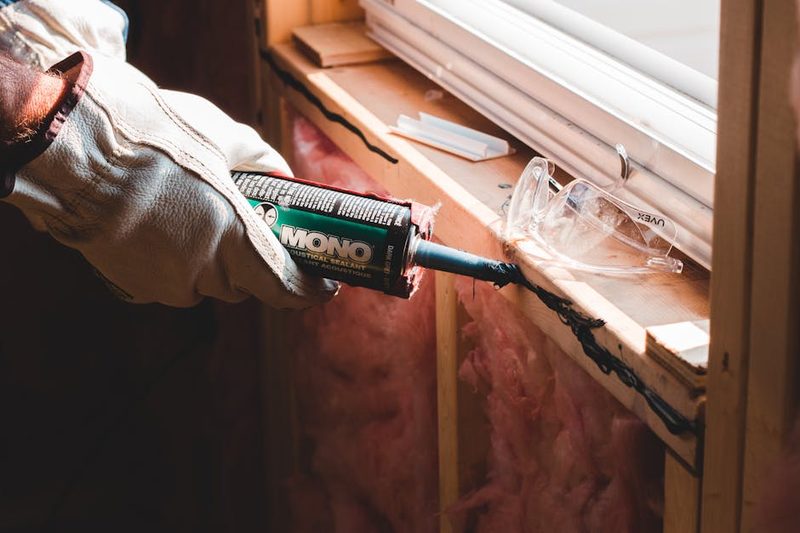
The plumber finishes running the new pipes. They leave the access holes open. That's when I step in. I inspect every hole where a pipe passes through the top plate from the living space. I also check around electrical wires, ducts, and vents. I use a can of fire-block foam or a caulking gun for small gaps. For larger gaps, I stuff in backer rod and seal over it. Every gap gets sealed. Then the insulation crew blows in fresh attic insulation over the entire attic floor. The pipes stay in the conditioned envelope. The attic stays warm in winter and cool in summer. The whole process adds one more day to your repipe schedule. But it saves you money every month. And it protects your pipes from freezing. That's a tradeoff worth making.
Cost and Savings: What You Need to Know
Air sealing during a repipe adds a few hundred dollars to your project. The repipe itself costs thousands. The sealing is a small percentage. The savings are real. A sealed attic can cut your heating and cooling bills by 10-20%. In DFW, that's hundreds per year. The sealing also extends the life of your HVAC equipment. It reduces demand. Plus, you avoid a future mold remediation from buried leaks. You avoid a burst pipe repair. I can't give you an exact number because every attic is different. But the math works out. If you're already paying for a repipe, add the air sealing. You'll break even in one to two years. After that, it's all profit. You can call me at (469) 895-2695 for a quote. I'll tell you if you need it.
When You Should Not Air Seal During a Repipe
I tell people not to buy when it doesn't make sense. If your attic has significant water damage from an old roof leak, fix the roof first. Sealing in moisture causes rot. If your ductwork is in terrible shape, replace it before insulation. Sealing around old, leaking ducts is pointless. If your attic has active vermiculite insulation that might contain asbestos, test it before disturbing. Don't seal over that. And if you're not planning to add new insulation after the repipe, air sealing alone won't solve your energy problems. It's a two-part fix. Seal first. Then insulate. If your budget allows only one, insulate. But for most DFW homes with a repipe, air sealing is the smart move. Call when you're ready. I'll walk through your attic with you.
Angi reports professional attic air sealing costs $300 to $4,000 depending on home size, with HomeAdvisor putting the national average around $1,500.
Frequently Asked Questions
Can I air seal my attic pipes myself during a repipe?
Does air sealing really prevent pipe freezing in DFW?
Will air sealing interfere with the new plumbing?
How long does air sealing add to a repipe project?
What if my attic already has loose-fill insulation?
Do I need air sealing if I have spray foam insulation?
Ready to seal your attic during your DFW plumbing repipe? Call Neal at (469) 895-2695 for a direct estimate. No sales pitch. Just straight talk about your attic.
Get a free estimate
Fill out the form and we'll get back to you within 24 hours. No pressure, no upsells.
Neal runs DFW Attic Insulation, a local crew serving the entire Dallas-Fort Worth metroplex. He started in roofing and construction over two decades ago and now specializes in attic insulation, air sealing, and ventilation. He believes in honest advice — he'll tell you if you don't need anything.