How to Tell if Your Old Attic Insulation Needs Emergency Removal
Is your old attic insulation contaminated with rodent droppings or mold? Learn how to identify emergency removal signs in DFW homes before health risks grow.
Start by Looking for These Three Signs
You just moved into an older DFW home. Your attic insulation might hide decades of contamination. I'm Neal. I run DFW Attic Insulation. The fastest way to tell if it needs emergency removal is to check for three things. First, look for dark trails or piles of rodent droppings. Second, check for patches of black, green, or white mold on the insulation or wood. Third, see if the insulation is compressed, crumbling, or soggy. DFW humidity accelerates all of these. If you spot any of these signs, the insulation is no longer doing its job. It's also a health risk. The next step is knowing which signs demand immediate action.
The IECC 2021 Table R402.1.2 sets the prescriptive minimum for attic insulation in Climate Zone 3 (which includes DFW) at R-38, with an equivalent U-factor of U-0.030. The International Residential Code (IRC) Section R806 requires balanced attic ventilation at a 1:300 ratio minimum.
Why Rodent Waste and Mold Are a Health Emergency
Rodent droppings carry hantavirus and other pathogens. Mold spores trigger asthma and allergies. When insulation is contaminated, every air leak in your attic pushes those particles into your living space. The CDC's mold page explains that anyone with respiratory conditions is especially vulnerable. In DFW's humid climate, contamination spreads fast. I've seen attics where insulation looked fine on top but was soaked with urine and mold underneath. If you or your family have unexplained coughing, sneezing, or sinus issues since moving in, the attic insulation may be the cause. Emergency removal stops the source. Don't wait for a health crisis.
The Performance Problem with Old Insulation
Most DFW homes built between 1970 and 1990 were insulated to R-19 maximum. That's fiberglass batts that have now degraded for 30-plus years. The U.S. Department of Energy recommends R-38 to R-60 for our climate zone today. Old compressed batts lose most of their R-value. They also allow air movement that carries contaminants. Removing that old insulation is the only way to start fresh. It also reveals hidden air leaks and moisture issues that are common in older DFW homes. Upgrading to modern insulation cuts energy bills and improves indoor air quality. That's a fact, not a pitch.
When You Should Say No to Emergency Removal
Not every old attic needs emergency removal. If your insulation is dry, clean, and has no signs of rodent or mold contamination, you might only need a top-up. Same thing if the R-value is already above R-30 and the material is in good shape. But I tell homeowners straight: if you see even a little contamination, get it tested. DFW humidity turns a small mold patch into a major problem within a season. And if your insulation is the original blown-in or fiberglass from the 1970s, assume it's compromised. Emergency removal is for active contamination or severe degradation. If you're unsure, call someone like me to look. A free inspection is cheaper than a hospital visit.
What We Find After Removing Old Insulation
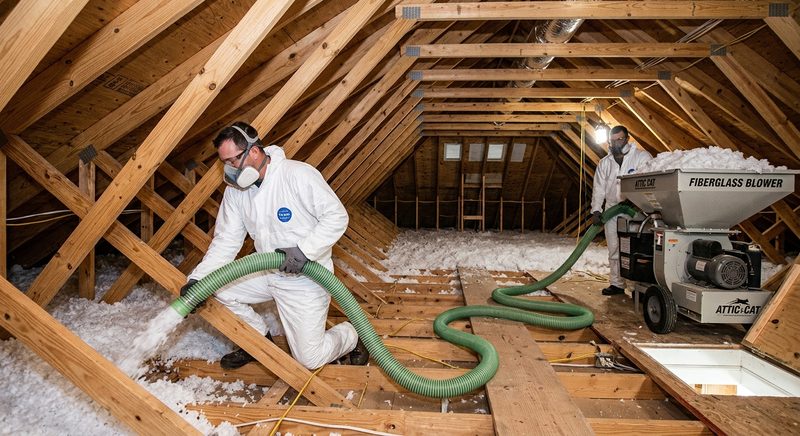
Once the old insulation is out, we almost always find surprises. Air leaks around pipes, vents, and electrical boxes. Moisture stains on the roof deck. Old wiring that needs attention. That's why I recommend full attic insulation removal before adding new material. Sealing those leaks first is critical. The ENERGY STAR program confirms that air sealing plus proper insulation is the most effective way to save energy. In DFW, that combination also keeps humidity out. After removal, we clean and disinfect the attic. Then we air-seal and install new insulation to the current code. That gives you a safe, efficient attic for decades.
DFW's Climate Makes This Extra Urgent
DFW is hot and humid for half the year. That humidity seeps into attics through vents and roof leaks. Old insulation soaks it up like a sponge. Rodents love the warmth and shelter. Mold loves the moisture. I see the worst contamination in older DFW neighborhoods like Oak Lawn, Lakewood, and the M Streets. If you live in DFW and your home is pre-1990, I'd check your attic this week. Don't wait for summer. Hot weather makes attic work miserable, and contamination problems only get worse. A quick look now can save you thousands in repairs and medical bills.
Your Next Step: Get an Expert Look
You don't have to guess. I offer free attic inspections for DFW homeowners. I'll walk your attic, point out every issue, and tell you if removal is necessary. If it's not, I'll say so. If it is, I'll explain exactly what needs to happen and why. My number is (469) 895-2695. Call me. I'll answer your questions and set up a time to take a look. Your family's health and your home's efficiency are worth a phone call.
HomeAdvisor reports the national average attic insulation cost at $2,100 with most homeowners paying $1,700 to $2,500. Angi data shows DFW pricing runs $1 to $3 per square foot for blown-in installation.
Frequently Asked Questions
What are the signs of rodent infestation in attic insulation?
Can I remove contaminated insulation myself?
How much does emergency insulation removal cost in DFW?
What R-value does my attic need in DFW?
Should I replace insulation after removing old contaminated insulation?
Is mold in attic insulation an emergency?
Call me at (469) 895-2695 for a free attic inspection. I'll tell you straight if your old insulation needs emergency removal. If you want a straight answer on your attic, call me at (469) 895-2695. I'll inspect it with a thermal camera, tell you exactly what you need, and give you a written quote. No upsell. No pressure.
P.S. Every attic is different. The numbers above are ballpark estimates based on DFW averages. Call us at (469) 895-2695 and we'll come take a look with a thermal camera, give you a written quote, and tell you honestly if you even need anything. No upsell. No pressure.
Get a free estimate
Fill out the form and we'll get back to you within 24 hours. No pressure, no upsells.
Neal runs DFW Attic Insulation, a local crew serving the entire Dallas-Fort Worth metroplex. He started in roofing and construction over two decades ago and now specializes in attic insulation, air sealing, and ventilation. He believes in honest advice — he'll tell you if you don't need anything.