Do I Need Better Attic Insulation for My Heat Pump?
If you’re installing a heat pump in DFW, poor attic insulation will kill its efficiency. I’ll tell you when to insulate first. Call (469) 895-2695.
Your Heat Pump Needs a Tight House
Heat pumps move heat from one place to another. See the DOE heat pump efficiency guide for more detail. In summer, they pull heat out of your home. In winter, they pull heat in. This works well only if that heat stays where you put it. A poorly insulated attic lets conditioned air escape and outdoor air leak in. Your heat pump then has to run longer to keep up. Longer run times mean higher electric bills and more wear on the compressor. The U.S. Department of Energy states heat pumps perform best in well-insulated homes. If your attic is leaky or under-insulated, you are forcing your equipment to fight a losing battle. I see this all the time in DFW. Homeowners spend thousands on a new heat pump but skip the attic work. Then they call me wondering why their bills are still high. The answer is simple. The house is working against the machine.
The IECC 2021 Table R402.1.2 sets the prescriptive minimum for attic insulation in Climate Zone 3 (which includes DFW) at R-38, with an equivalent U-factor of U-0.030. The International Residential Code (IRC) Section R806 requires balanced attic ventilation at a 1:300 ratio minimum.
Right-Sizing Your Heat Pump Starts in the Attic
A heat pump should be sized to match the actual load of your home. Load is the amount of heating or cooling needed to keep you comfortable. Every attic has a thermal envelope. That envelope determines how much load exists. If your attic is poorly insulated, that load is much higher. A contractor may size your heat pump based on that high load. That means a larger, more expensive unit. Or they might not account for the attic at all and overshoot. Insulating before installation can drop the required capacity by half a ton to a full ton. That is a real number from the Department of Energy. Dropping capacity by a ton can save you thousands on the equipment itself. It also means the unit runs at a steadier pace. Short cycling stops. Humidity control improves. You get a system that fits the house, not a house that fights the system.
DFW Summer Heat Makes the Attic Your Biggest Problem
Attics in DFW routinely hit 140 degrees in July. That superheated air pushes into your living space through gaps and thin insulation. A heat pump trying to cool a house with a 140-degree attic above it has to work much harder. The attic floor is the only barrier between you and that oven. If you have R-19 insulation or less, you are losing the battle. Current code for new homes in this climate zone is R-38. I recommend R-49 for heat pump homes. That extra depth slows heat transfer significantly. It gives your heat pump a fighting chance. Air sealing matters just as much. You can have R-60 insulation on the floor, but if air is leaking through gaps around pipes and wires, it does not matter. The heat bypasses the insulation. I seal every penetration before adding new insulation. It is the only way to make the system work.
Federal Tax Credits Change the Math Right Now
The Inflation Reduction Act offers a 30 percent federal tax credit for heat pump installations. See the Energy Star home sealing credits for more detail. That is a big reason heat pumps are growing in DFW. Many homeowners are converting from gas furnaces to all-electric heat pumps. That move makes sense for efficiency and carbon reduction. But it only makes financial sense if the house is tight. The tax credit also applies to air sealing and insulation improvements. You can combine the heat pump credit with insulation work in the same year. That pairing is the smartest move I see in DFW right now. A gas furnace to heat pump conversion without attic work often leads to disappointment. The heat pump runs constantly. The bill is higher than expected. The homeowner wonders why they switched. I tell people to do the attic first or at the same time. That is how you capture the real savings.
When You Should NOT Insulate for a Heat Pump
I will tell you when to skip this. If you have active roof leaks, knob-and-tube wiring, or a vermiculite attic, do not add insulation. Fix those problems first. Wet insulation does nothing for your heat pump. It compresses and loses R-value. Knob-and-tube wiring under loose-fill insulation is a fire hazard. Vermiculite from the Libby mine often contains asbestos. You need professional remediation before I touch that attic. If your ductwork is in the attic and it is leaky, fix the ducts before insulating. Sealing the attic floor with leaky ducts above it traps the problem in your conditioned space. Give me a call and I will walk through what you have. I do not want your money if the job is unsafe or ineffective. A heat pump needs a good attic, not just a full one.
What Good Attic Insulation Looks Like for a Heat Pump
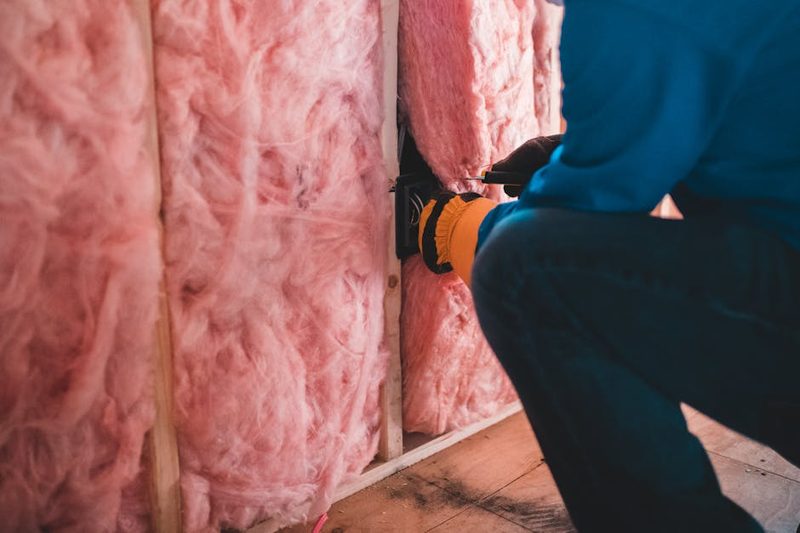
For a DFW home with a heat pump, I aim for R-49 on the attic floor. That means about 16 to 18 inches of blown fiberglass or cellulose. I air seal every top plate, wire penetration, and plumbing stack before blowing. I check for bathroom fans that dump into the attic instead of outside. Those fans pump moisture into the insulation and ruin performance. I also check the attic hatch. That is a giant hole in your thermal envelope if not sealed and insulated. A heat pump home needs the attic hatch to be airtight with a foam gasket and a insulated cover. Ductwork in the attic should be insulated to at least R-8 and sealed with mastic. If your ducts are in the crawlspace or basement, that is different. But in DFW, most ducts run through the attic. That makes insulation and air sealing the most important upgrade you can do for your heat pump.
HomeAdvisor reports HVAC-related attic work averages $1,500 to $3,000, while Angi shows duct sealing in DFW runs $400 to $800 for a typical system.
Frequently Asked Questions
Will better attic insulation lower my heat pump electric bill?
Should I insulate my attic before or after installing a new heat pump?
What R-value do I need for a heat pump in DFW?
Does air sealing matter if I add more insulation?
Can I get a tax credit for attic insulation with my heat pump?
How do I know if my current attic insulation is bad for my heat pump?
If you are putting in a heat pump or already have one and the bills are too high, call me. (469) 895-2695. I will tell you if your attic is helping or hurting. I am Neal. If you want a straight answer on your attic, call me at (469) 895-2695. I'll inspect it with a thermal camera, tell you exactly what you need, and give you a written quote. No upsell. No pressure.
P.S. Every attic is different. The numbers above are ballpark estimates based on DFW averages. Call us at (469) 895-2695 and we'll come take a look with a thermal camera, give you a written quote, and tell you honestly if you even need anything. No upsell. No pressure.
Get a free estimate
Fill out the form and we'll get back to you within 24 hours. No pressure, no upsells.
Neal runs DFW Attic Insulation, a local crew serving the entire Dallas-Fort Worth metroplex. He started in roofing and construction over two decades ago and now specializes in attic insulation, air sealing, and ventilation. He believes in honest advice — he'll tell you if you don't need anything.