Energy Audit Recommended Attic Insulation? Do This
Your energy audit flagged the attic as the biggest problem. Here's the complete retrofit plan: air seal, vent, insulate in one pass. Save 20%+ on bills in DFW.
Your Audit Was Right – The Attic Is the Problem
My name's Neal. I run DFW Attic Insulation. If your energy audit pointed at the attic, it's not a surprise. The Pacific Northwest National Laboratory says the attic is the number one source of energy loss in a home. That's not a guess. That's physics. Hot air rises, and in a DFW summer, that heat builds up fast. An audit measures where your home leaks. Most DFW homes have never had one. When they do, the attic almost always comes back as the biggest problem. The fix isn't just adding more insulation. It's a complete retrofit: air seal, fix ventilation, then insulate. That's what I'll walk you through. The ENERGY STAR home energy checkup can reduce bills by 20% or more. But only if you follow the full plan.
The IECC 2021 sets R-38 as the minimum attic insulation for Climate Zone 3 (DFW area), with the International Residential Code (IRC) Section R806 requiring balanced ventilation at 1:300 ratio.
Why DFW Homes Need a Complete Retrofit, Not Just Insulation
I see it all the time. A homeowner gets an audit, reads the report, and calls a crew to blow in more fiberglass. That's a mistake. Insulation without air sealing is like wearing a winter coat with the zipper open. The conditioned air from your house still leaks into the attic. Your AC runs longer. Your bills stay high. In DFW, we have extreme heat and humidity. A complete retrofit means three steps in one pass: air seal every penetration, fix the ventilation so moisture can escape, then install the right insulation. The Department of Energy recommends this sequence. Skipping any step wastes money. I've seen attics with R-60 insulation that still felt like an oven because the air leaks were never sealed. Don't let that be you.
Step 1: Air Sealing – The Part Most Contractors Skip
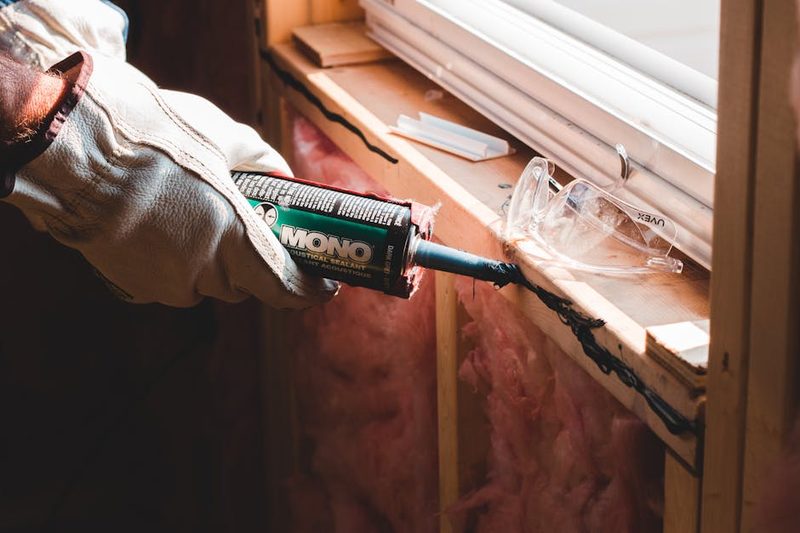
Air sealing is the most important step. It's also the one most contractors skip because it's tedious. You have to crawl into every corner and seal gaps around pipes, wires, ducts, and the attic hatch. In DFW, many homes have recessed lights that are not IC-rated. Those are giant holes in your ceiling. I seal them with fire-rated caulk and cover them with airtight boxes. I also seal the top plates of interior walls. That's where air from the living space rises into the attic. The result is a tight envelope. Your HVAC system doesn't have to fight against leaks. The ENERGY STAR guide to air sealing explains why this matters. Without air sealing, insulation loses up to 30% of its effectiveness. That's a fact.
Step 2: Ventilation – Let the Attic Breathe
Once the attic is sealed, it needs to breathe. Proper ventilation removes hot air and moisture. In DFW, we get both. Without ventilation, moisture builds up and rots the roof deck. Your insulation gets wet and loses R-value. I check for balanced intake and exhaust. Soffit vents need to be clear of insulation. Ridge vents or box vents need to be sized correctly. The rule is 1 square foot of vent for every 300 square feet of attic floor, with a 50/50 split between intake and exhaust. If your audit showed high humidity or ice dams (rare here but possible), ventilation is the fix. I've seen attics with mold because someone added insulation without checking vents. Don't make that mistake. The DOE's ventilation guidelines are clear.
Step 3: Insulation – The Right R-Value for DFW
After air sealing and ventilation, insulation goes in. For DFW, the recommended R-value is R-38 to R-60. That's about 12 to 20 inches of blown fiberglass or cellulose. I prefer cellulose for its air-blocking properties, but fiberglass works too if installed correctly. The key is even coverage. No thin spots. No gaps around the edges. I use a blower and measure depth with a ruler. I also insulate the attic hatch with a foam board box. That's a common leak point. Your audit report should tell you the current R-value. If it's below R-30, you're losing money. The ENERGY STAR insulation map shows DFW in Zone 3. That means R-38 minimum. I go higher because it pays back faster in our climate.
The One-Pass Approach: Why Doing It All at Once Matters
I recommend doing all three steps in one visit. Air seal, fix vents, insulate. That's the complete retrofit. Doing it in stages costs more because you pay for multiple trips. It also means your attic is left in a half-finished state. I've had customers who air sealed one year and called me the next for insulation. In between, their attic had no insulation and their bills were high. The one-pass approach saves time and money. It also ensures the work is coordinated. For example, I air seal first, then check that soffit vents are clear, then blow insulation. If I find a blocked vent during insulation, I fix it right then. No callbacks. The PNNL study on attic retrofits confirms that integrated retrofits perform better than piecemeal work.
Utility Rebates and How to Use Them
Oncor and many local utilities in DFW offer rebates for energy audits and attic insulation. The audit itself may be free or discounted. After the retrofit, you can get a rebate based on the R-value added. Typically, you need to show before and after photos, plus an invoice. I help my customers with the paperwork. The rebate can cover 20-50% of the cost. But here's the catch: the work must meet program standards. That means proper air sealing and ventilation. If you just blow in insulation, the rebate may be denied. Check with your utility before starting. The ENERGY STAR rebate finder is a good place to start. In DFW, the average rebate for attic insulation is around $200 to $500. Not huge, but it helps.
When Not to Buy Insulation (Yes, That's a Thing)
I'll tell you when not to buy insulation. If your attic has active leaks from the roof, fix those first. If you have knob-and-tube wiring, that's a fire hazard with insulation. If your attic is infested with rodents or has mold, address those issues before insulating. Insulation over a problem hides it. I've seen attics where someone blew cellulose over wet wood. The wood rotted faster. I also say no to customers who want to add insulation without air sealing. I explain why. Some still insist. I don't take that job. It's not worth your money or my reputation. Your audit report should include a list of defects. Fix those first. Then insulate. That's the honest way to do it. Call me at (469) 895-2695 if you want it done right.
Angi reports that professional attic air sealing costs between $300 and $4,000 depending on home size and leak severity. HomeAdvisor's 2026 data shows the national average for air sealing is around $1,500, with most projects falling between $700 and $2,500.
Frequently Asked Questions
How much can I save after an attic retrofit in DFW?
Ready to act on your energy audit? Call me, Neal, at (469) 895-2695. I'll walk through your report and give you a straight answer. No pressure, just the right plan for your DFW home. If you want a straight answer on your attic, call me at (469) 895-2695. I'll inspect it with a thermal camera, tell you exactly what you need, and give you a written quote. No upsell. No pressure.
P.S. Every attic is different. The numbers above are ballpark estimates based on DFW averages. Call us at (469) 895-2695 and we'll come take a look with a thermal camera, give you a written quote, and tell you honestly if you even need anything. No upsell. No pressure.
Get a free estimate
Fill out the form and we'll get back to you within 24 hours. No pressure, no upsells.
Neal runs DFW Attic Insulation, a local crew serving the entire Dallas-Fort Worth metroplex. He started in roofing and construction over two decades ago and now specializes in attic insulation, air sealing, and ventilation. He believes in honest advice — he'll tell you if you don't need anything.