
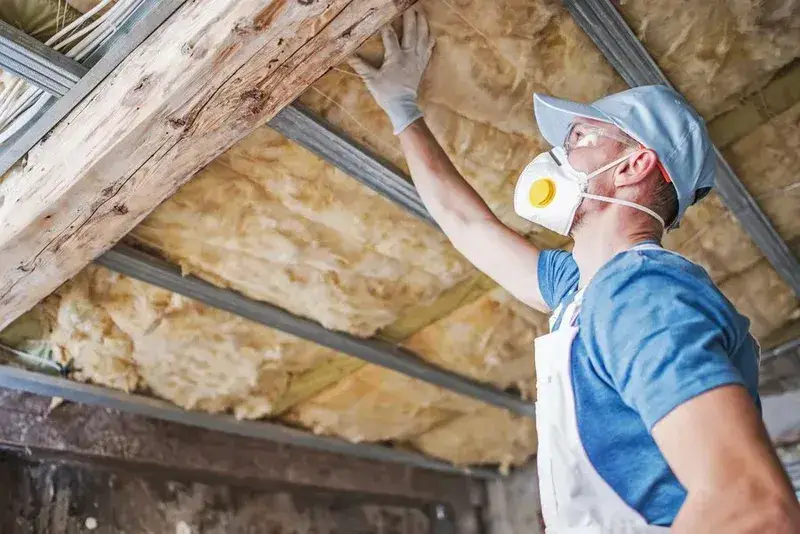
Still Have Drafts After New Windows? Check Your Attic
New windows didn't stop your drafts? DFW homes lose 20-30% of conditioned air through attic leaks. I'll show you why air sealing matters more than you think.
New Windows Alone Won't Fix Your Draft Problem
You spent good money on replacement windows. The house still feels drafty. I hear this from homeowners across DFW every week. Here's the hard truth: windows account for maybe 10-15% of a home's air leakage. The real culprit is usually your attic. The U.S. Department of Energy says if you replace siding, you should add insulation at the same time. Same logic applies to windows. New glass stops drafts at the window frame. But conditioned air still escapes through gaps in your attic floor, recessed lights, and duct boots. I'm Neal. I run DFW Attic Insulation. I see this mismatch constantly.
The IECC 2021 sets R-38 as the minimum attic insulation for Climate Zone 3 (DFW area), with the International Residential Code (IRC) Section R806 requiring balanced ventilation at 1:300 ratio.
How Attic Air Leaks Create Drafts Throughout Your Home
Your attic is connected to every room below it. Gaps around plumbing vents, wiring holes, and attic hatches let indoor air escape upward. As warm air rises and leaks out, cold outside air gets pulled in through gaps around doors, windows, and baseboards. That's the draft you feel. New windows seal one pathway. But the attic leaks still pull air through every other gap. The ENERGY STAR program says air sealing can save 15% on heating and cooling costs. In DFW, that's real money. I've tested homes where attic leaks accounted for 30% of total air loss.
The Envelope-First Approach: Why Order Matters
Building America research backs an envelope-first strategy. Seal the building envelope before upgrading mechanical systems or windows. The logic is simple. If your house leaks air, new windows just mask the problem. You still pay to condition air that escapes through the attic. I tell homeowners to air seal the attic first, then add insulation. After that, replace windows if needed. You'll get better performance from the windows because the pressure difference across them drops. The house feels more comfortable. Your HVAC runs less. I've seen this sequence cut energy waste by half in some DFW homes.
Common Attic Leaks That Undermine New Windows
I find the same leaks over and over. Recessed can lights that aren't IC-rated or sealed. Attic pull-down stairs with no weatherstripping. Plumbing stacks where the boot gap is wide enough to stick your hand through. Duct connections that pull apart at the register boot. These leaks bypass your new windows entirely. The Department of Energy recommends sealing all penetrations between conditioned and unconditioned space. That means caulk, foam, and gaskets. Not just insulation. I use expanding foam for small gaps and rigid foam for larger openings. Every leak I seal reduces the draft you feel downstairs.
How I Test for Attic Air Leaks in DFW Homes
I start with a visual inspection of the attic floor. I look for dirty insulation, which indicates air movement. Then I check every penetration. Plumbing vents, electrical wires, duct boots, and light fixtures. I use a thermal camera to find temperature differences that reveal hidden gaps. In some homes, I run a blower door test to measure total leakage. The results are usually clear. A house with new windows but no attic air sealing still leaks like a sieve. I show homeowners the thermal images so they can see the problem themselves. Seeing is believing. And it explains why they still feel drafts.
When You Should NOT Buy Attic Air Sealing
I'll tell you when not to buy. If your attic already has a continuous air barrier with all penetrations sealed, you don't need more air sealing. If your energy bills are reasonable and you don't feel drafts, skip it. If you're planning a major renovation that will disturb the attic floor, wait until after that work. Air sealing is most effective when done once, correctly. I've seen homeowners seal twice because they did it before a remodel. That's wasted money. If your windows are single-pane and drafty, replace them first. Then air seal the attic. The combination works best.
The DFW Climate Makes Attic Leaks Worse
DFW summers push 100 degrees for weeks at a time. Your attic can hit 140 degrees. Every leak in the attic floor pulls that superheated air into your living space through the stack effect. Your AC fights a losing battle. New windows help, but they can't stop the heat pouring in through attic leaks. The ENERGY STAR program estimates that proper air sealing and insulation can reduce attic heat transfer by up to 50%. In DFW, that means a cooler upstairs and lower electric bills. I've measured attic temperatures drop 20 degrees after air sealing and insulation upgrades.
Frequently Asked Questions
Can new windows really leave drafts if the attic leaks?
How much does attic air sealing cost in DFW?
Should I air seal before or after new windows?
How do I know if my attic has air leaks?
Will attic air sealing fix drafts on windy days?
Can I do attic air sealing myself?
Stop drafts at the source. Call me at (469) 895-2695 for an attic air sealing inspection. I'll show you exactly where your air is leaking and how to fix it. If you want a straight answer on your attic, call me at (469) 895-2695. I'll inspect it with a thermal camera, tell you exactly what you need, and give you a written quote. No upsell. No pressure.
P.S. Every attic is different. The numbers above are ballpark estimates based on DFW averages. Call us at (469) 895-2695 and we'll come take a look with a thermal camera, give you a written quote, and tell you honestly if you even need anything. No upsell. No pressure.
Get a free estimate
Fill out the form and we'll get back to you within 24 hours. No pressure, no upsells.
Neal runs DFW Attic Insulation, a local crew serving the entire Dallas-Fort Worth metroplex. He started in roofing and construction over two decades ago and now specializes in attic insulation, air sealing, and ventilation. He believes in honest advice — he'll tell you if you don't need anything.