Attic Fan vs Ridge Vent: Which Is Better for a New Roof in DFW?
Neal compares attic fans and ridge vents for new roofs in DFW. Ridge vent wins for most homes. Learn why and when an attic fan makes sense.
Ridge Vent Is Usually the Better Choice for a New Roof in DFW
My name's Neal. I run DFW Attic Insulation. If you're getting a new roof and asking whether to install an attic fan or a ridge vent, here's the short answer: ridge vent, paired with proper soffit vents, is the better option for most homes in DFW. Ridge vents are passive, continuous, and have no moving parts. They work with natural airflow to pull hot air out of the attic. Attic fans are powered, noisy, and can create negative pressure that pulls conditioned air out of your living space. For a new roof, ridge vent is simpler, more reliable, and more cost-effective. The U.S. Department of Energy confirms that proper attic ventilation extends roof life and improves energy efficiency.
How Ridge Vents Work with a New Roof
A ridge vent is installed along the peak of the roof. It creates a continuous opening covered by a baffle that lets hot air escape while keeping rain and pests out. For ridge vents to work, you need intake vents — usually soffit vents under the eaves. Hot air rises naturally and exits through the ridge, drawing cooler air in through the soffits. This passive system runs 24/7 without electricity. During a roof replacement, installing a ridge vent adds minimal cost because the roofer is already working at the ridge. The ENERGY STAR program notes that a well-ventilated roof can last longer and reduce cooling costs. In DFW, where attics hit 140°F in summer, ridge vents help drop attic temperatures by 20-30 degrees.
When an Attic Fan Might Make Sense
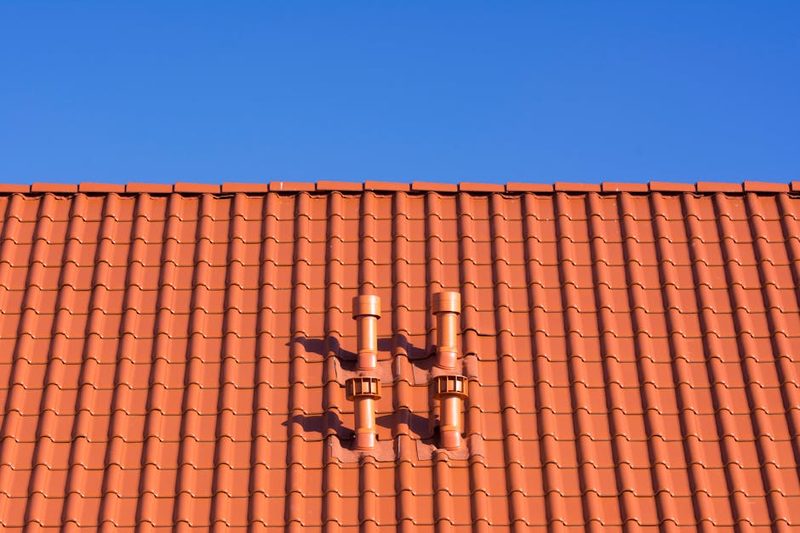
Attic fans are powered fans mounted on the roof or gable. They actively pull hot air out. They can be useful in specific situations: if your home has no soffit vents and adding them is impractical, or if the attic is sealed with spray foam and you need mechanical ventilation. But for most DFW homes with a new roof, an attic fan is unnecessary. It uses electricity, adds noise, and requires maintenance. Worse, if the attic fan pulls more air out than the soffits can supply, it depressurizes the attic and sucks cool air from your house. That wastes energy and makes your AC work harder. The Texas A&M AgriLife Extension recommends passive ventilation as the first choice for hot climates.
DFW Climate Demands the Right Ventilation
DFW summers are brutal. Attic temperatures regularly exceed 140°F. That heat radiates into your living space, making your AC run longer and harder. Proper ventilation removes that heat before it builds up. Ridge vents with soffit vents create a balanced system that moves air continuously. Attic fans can help, but they often create an imbalance. I've seen homes where the attic fan actually increased cooling costs because it pulled conditioned air into the attic. The EPA states that proper ventilation improves indoor air quality and reduces moisture. In DFW, moisture isn't as big a problem as heat, but ridge vents still handle both better than fans.
Energy Savings from Roof, Insulation, and Ventilation
ENERGY STAR says combining a cool roof, proper insulation, and ventilation can save 10-20% on energy bills. But ventilation alone won't cut it. You need adequate attic insulation — at least R-38, ideally R-50 in DFW. Many homes here have R-19 or less. During a roof replacement, it's smart to upgrade insulation at the same time. Ridge vents work best when the attic is well-insulated and air-sealed. If you install an attic fan without fixing insulation, you're just moving hot air around. The Ontario Building Code requires R-50 attic insulation when reroofing, and while Texas doesn't have that code, it's a good benchmark. I recommend attic insulation as part of any roof project.
When NOT to Buy an Attic Fan
Don't buy an attic fan if your new roof includes ridge vent and you have adequate soffit vents. The passive system will handle ventilation without electricity, noise, or maintenance. Don't buy an attic fan if your attic is sealed with spray foam — that system is designed to be unvented. Don't buy an attic fan if you want the quietest, most reliable solution. Ridge vents last as long as the roof. Attic fans have motors that fail. Also, some roof warranties require proper passive ventilation. Installing an attic fan can void that warranty if it's not part of the approved system. I've seen homeowners pay for an attic fan only to find it made their house hotter. Save your money and put it toward attic ventilation that works.
Pairing Ridge Vent with a New Roof in DFW
When you replace your roof, that's the perfect time to add ridge vent. The roofer can install it as part of the new shingle installation. The cost is low — typically a few hundred dollars for materials and labor. Adding an attic fan later is possible, but it means cutting into the roof and wiring electricity. Ridge vent is seamless, invisible from the ground, and requires zero upkeep. In DFW, most homes have insufficient soffit venting. If your soffits are blocked or missing, fix that first. Ridge vent without intake is useless. I recommend having a professional assess your attic ventilation before the roof replacement. Call me at (469) 895-2695 to discuss your specific situation.
Frequently Asked Questions
Can I use both an attic fan and a ridge vent on the same roof?
Does ridge vent work without soffit vents?
Will an attic fan cool my house?
How much does ridge vent cost during a roof replacement?
Is ridge vent better for energy savings than an attic fan?
Can I install ridge vent on an existing roof without replacement?
Need help deciding between attic fan and ridge vent for your new roof? I'll look at your attic and give you a straight answer. Call (469) 895-2695 or visit DFW Attic Insulation to schedule a consultation.
Get a free estimate
Fill out the form and we'll get back to you within 24 hours. No pressure, no upsells.
Neal runs DFW Attic Insulation, a local crew serving the entire Dallas-Fort Worth metroplex. He started in roofing and construction over two decades ago and now specializes in attic insulation, air sealing, and ventilation. He believes in honest advice — he'll tell you if you don't need anything.