Should I Air Seal Attic Before Replacing HVAC?
Air sealing your attic before HVAC replacement saves thousands. DFW homes lose 30% of air through leaks. Neal explains why sizing matters.
The Biggest Mistake DFW Homeowners Make
I see it all the time. A homeowner in Plano or Fort Worth calls me after spending $8,000 on a new HVAC system. They're still hot in the summer and cold in the winter. The problem isn't the equipment. It's the attic. If your attic leaks air like a sieve, no new system can fix that. Energy.gov says air sealing saves 15% on heating and cooling costs. That's $300 a year for the average DFW home. But the real savings come before you buy the HVAC. Air seal first, then size the system. You'll buy a smaller, cheaper unit that actually works.
The IECC 2021 requires new construction in Climate Zone 3 to pass a blower door test at 5 ACH50 (air changes per hour at 50 Pascals). The IRC Section R402.4 mandates that building thermal envelopes be sealed at specific locations including top plates, wiring penetrations, and plumbing penetrations. These code requirements reflect the fact that air sealing is as important as insulation for energy efficiency.
Why DFW Attics Are the Enemy of Efficiency
DFW attics hit 140 degrees in summer. Your ducts run through that oven. 60 to 70 percent of DFW homes have HVAC ducts in the attic. Every leak in your attic floor pulls conditioned air into that hot space. The Building America program recommends a specific order: seal, insulate, then size the HVAC. Skip the first two steps and your new system will be oversized. An oversized system short-cycles, wears out faster, and never dehumidifies properly. You pay more upfront and more every month. Energy Star confirms that sealing and insulating can cut your energy bill by 20 percent.
Right-Sizing Saves $800 to $1,200 Per Ton
Here's the math that matters. HVAC systems are sized in tons. A typical DFW home needs 3 to 4 tons. But if your attic is leaky, contractors add a half-ton or more to compensate. That half-ton costs $800 to $1,200 extra. And you pay to run it for the next 15 years. HomeAdvisor data shows that insulating before sizing drops the required system by half a ton. That's real money. I've seen homes in Richardson that needed a 4-ton system before air sealing. After sealing and insulating, they needed 3 tons. The homeowner saved $3,000 on the equipment alone.
DFW Homes Built Before 2000 Are the Leakiest
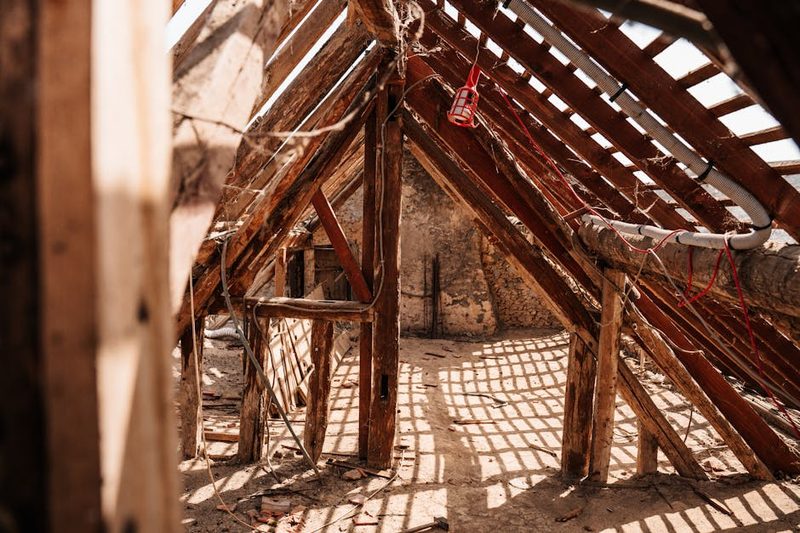
If your home was built before 2000, your attic is leaking. Building codes were looser then. I find gaps around plumbing vents, recessed lights, and attic hatches. Some homes have gaps you could stick your arm through. A blower door test will show you the truth. But you don't need a test to know that a 25-year-old home in Dallas has air leaks. The average pre-2000 DFW home has the equivalent of a 2-foot-by-2-foot hole in the attic floor. That's like leaving a window open year-round. Air sealing closes those gaps. Then you can insulate properly. Then you can size the HVAC correctly.
When You Should NOT Air Seal Before HVAC
I'll tell you when not to do this. If your current HVAC system is working fine and you're not replacing it, don't air seal just for fun. The savings come from the combination of sealing and right-sizing. If you're keeping your old unit, seal and insulate for comfort, but don't expect the same payback. Also, if your attic has active mold or rodent damage, fix those problems first. Air sealing over mold is a waste of time. And if you're planning to move in two years, the payback period might not make sense. But if you're replacing HVAC and staying put, air sealing before the replacement is the smartest money you'll spend.
The Right Order: Seal, Insulate, Then Size
The Building America program has it right. Step one: air seal every penetration in the attic floor. Step two: add insulation to the recommended R-value for DFW, which is R-38 to R-60. Step three: have your HVAC contractor run a Manual J load calculation. That calculation will tell you the exact tonnage needed. Without steps one and two, the Manual J will be wrong. You'll get an oversized system that costs more and performs worse. I've seen it happen in Southlake, Frisco, and Arlington. Homeowners spend $10,000 on a system that should have cost $7,000. And they pay higher bills every month. Don't be that homeowner.
What Air Sealing Costs vs. What It Saves
Air sealing an attic in DFW typically costs $800 to $1,500 for a 2,000-square-foot home. That includes sealing around pipes, wires, ducts, and the attic hatch. Add blown-in insulation for another $1,000 to $2,000. Total investment: $2,000 to $3,500. The savings come from two places. First, you buy a smaller HVAC system, saving $800 to $1,200 per ton. Second, you cut your energy bills by 15 to 20 percent. That's $300 to $500 a year. The payback period is under three years. And your home is more comfortable. No more hot spots, no more cold drafts. Just a system that works the way it should.
Frequently Asked Questions
Can I air seal my attic myself?
How do I know if my attic needs air sealing?
Will air sealing make my attic too tight?
Does air sealing affect my HVAC warranty?
How long does attic air sealing last?
Should I insulate before or after air sealing?
If you're replacing your HVAC in DFW, call me before you buy the equipment. I'll air seal your attic so you can right-size the system and save thousands. Call (469) 895-2695 to schedule an estimate.
Get a free estimate
Fill out the form and we'll get back to you within 24 hours. No pressure, no upsells.
Neal runs DFW Attic Insulation, a local crew serving the entire Dallas-Fort Worth metroplex. He started in roofing and construction over two decades ago and now specializes in attic insulation, air sealing, and ventilation. He believes in honest advice — he'll tell you if you don't need anything.